
Equipements de transformation des protéines végétales alimentaires
La demande croissante de protéines alternatives exige des procédés de fractionnement par voie humide capables d'assurer la pureté, la valeur nutritionnelle et le rendement des isolats de protéines, tout en réduisant la consommation d'énergie et d'eau. Nos équipements d'extraction de protéines végétales offrent des performances fiables et réduisent l'impact sur l'environnement tout en garantissant la stabilité, l'apparence, la texture, le goût et la valeur nutritionnelle des protéines.
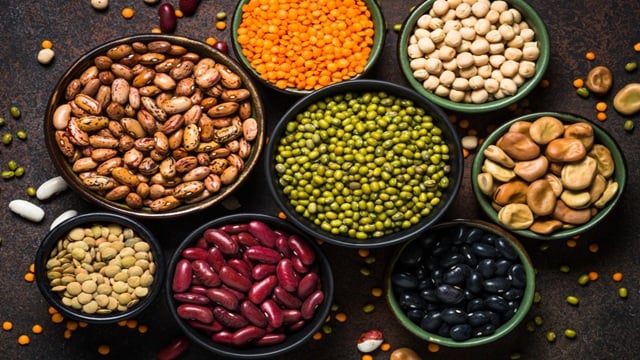
Améliorez la qualité et le rendement des aliments et boissons à base de protéines végétales
- Optimisez l'utilisation des matières premières
- Normes d'hygiène élevées
- Pureté, qualité et rendement élevés
- Faible consommation d'énergie
- Réduction de la consommation d'eau douce et de l'impact sur l'environnement
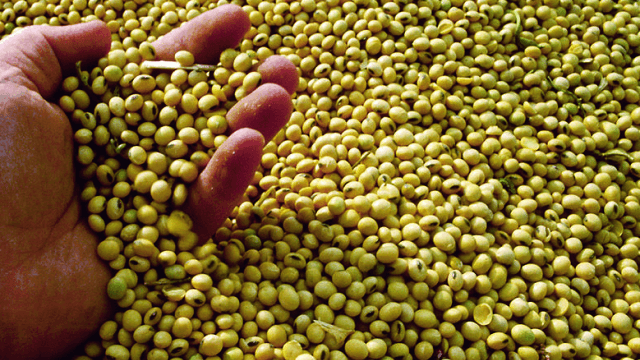
Soja, colza et graines de tournesol, ou féculents, tels que le pois, pois chiche, fève ou haricot mungo, la transformation des cultures oléagineuses en protéines de haute qualité pour l'alimentation humaine et animale requiert du savoir-faire.
Profitez de solutions et équipements de traitement des protéines d'origine végétale à la fois complets et économes en énergie. De l'extraction, l'isolement et la purification des protéines contenues dans les graines oléagineuses ou dans l'amidon, à la récupération des eaux de process et au traitement des eaux usées, vous découvrirez une approche saine et durable pour répondre à la demande mondiale croissante de produits de substitution à la viande.
Les producteurs d'aliments et de boissons choisissent Alfa Laval pour son expertise et bénéficier d'un accompagnement permettant de développer, tester et optimiser des lignes d'extraction de protéines végétales. C'est la garantie d'un lancement rapide, de la production à l'échelle pilote à la commercialisation.
Broad vegetable processing systems portfolio for plant-based proteins
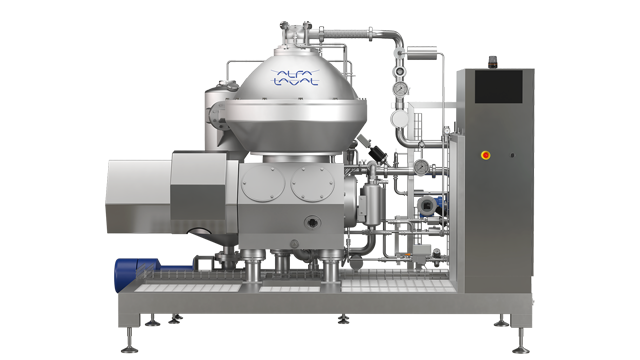
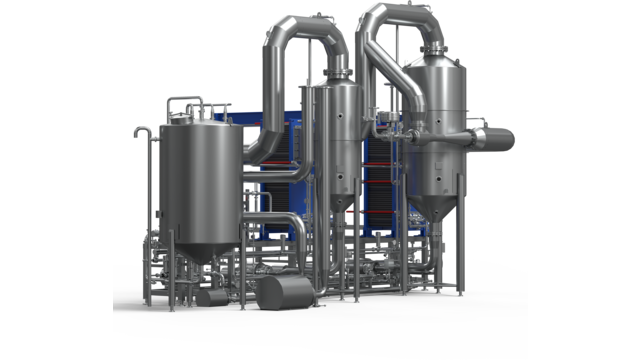
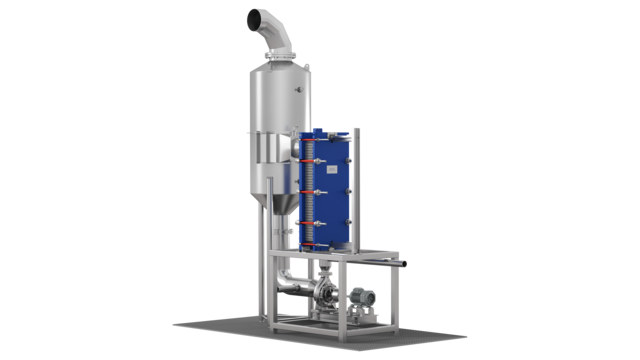
Alfa Laval offers a comprehensive range of vegetable processing systems for plant-based proteins, focusing on wet fractionation for extraction, isolation, purification and by-product recovery. Whether you need a reliable stand-alone protein system or a complete production line, we support oilseed and starch crop protein manufacturing with modular, customized solutions, including:
- Slurry preparation
- Protein extraction, separation, and purification
- Pasteurization systems
- Fibre and starch separation and purification
- By-product recovery
- Wastewater treatment and water recovery

Contact us
Service
Alfa Laval oilseed processing systems
-
Solubilization. The first step is mixing a lye solution with oilseed white flakes, increasing the resulting slurry’s pH value to make the protein soluble.
-
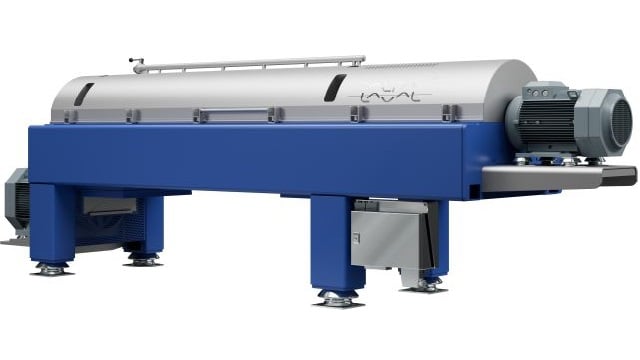
Protein extraction. Next, the slurry is processed in an extraction decanter to separate the solubilized protein from the solids (fibre).
-
Second extraction. The solid cake is then washed with water to release additional protein not extracted during the initial solubilization. A second extraction decanter then separates the resulting slurry into the solids (fibre) and liquid. The solids from this stage can be sent to a dryer or to a biogas plant.
-
Protein precipitation. The liquid collected from both extraction steps is processed to lower its pH value to the protein’s isoelectric point, causing the protein to precipitate. The precipitated protein slurry is then fed into a protein decanter, which separates the precipitate from the liquid.
-
Protein washing. In the last step, the protein is washed with water to increase purity. This results in a protein product with higher purity and better organoleptic properties. However, omit this step if a high-purity protein product is not required.
Alfa Laval starch crop processing systems
-
Solubilization. The first step is mixing a lye solution with flour to make the protein soluble by increasing the pH value of the resulting slurry.
-
Protein extraction. Next, the slurry is processed in an extraction decanter to separate the solubilized protein from the solids, consisting of starch and fibres.
-
Fibre removal. Rotational fibre screens filter the solids, removing fibres from the starch. Wet fibres can then be sent to another decanter for further dewatering before drying, or it may be directed for use in biogas or bioethanol production.
-
Concentration and starch washing. The diluted starch milk is concentrated and transferred to a hydrocyclone starch-washing system. Washing refines the starch milk, which can then be dried into starch powder or used for bioethanol production or syrup production.
-
Protein precipitation. The liquid collected from the extraction step (2) is processed to lower its pH to the protein's isoelectric point, causing the protein to precipitate from the liquid. The precipitated protein slurry then enters a protein decanter, which separates the protein precipitate from the liquid.
-
Protein washing. In the last step, the protein is washed with water to increase its purity. This results in a protein product with higher purity and better organoleptic properties. However, this step may be omitted if a high-purity protein product is not required.
Optimizing plant-based protein processing systems
Leverage Alfa Laval’s expertise in designing plants for the fractionation of agricultural products. Test your feedstocks under actual operating conditions at the Alfa Laval Food & Water Test Centre in Denmark, to determine the optimal system for your processing needs.