
HVO pretreatment systems
Rising demand for hydrotreated vegetable oil fuel (HVO) is transforming the renewable energy industry. As production scales up, HVO biofuel producers require reliable pretreatment to prepare feedstocks for hydroprocessing. Alfa Laval HVO pretreatment systems convert used cooking oils, recycled animal fats, and waste fats and oils into clean, stable feedstocks. The result is higher yields, smoother operation, and consistent production of HVO renewable diesel and sustainable aviation fuel (SAF).

Your trusted partner for HVO pretreatment
- Stay agile with flexible pretreatment systems that process the broadest range of feedstocks – today and tomorrow
- Maximize yields of high-quality pretreated fats and oils
- Increase uptime and reduce maintenance costs
- Rely on proven wastewater treatment and water-recycling technologies
- Access global expertise with local service support
Get more value from every investment in your hydrotreated vegetable oil production. Alfa Laval experts guide you at every stage - from prepurchase and design to delivery, ongoing monitoring and routine service. With decades of experience in refining oils and fats and in supporting the petroleum refining industry, we understand the challenges of converting them into renewable fuels.
Alfa Laval HVO pretreatment systems remove impurities, minimize clogging, and extend the life of your hydrotreating catalyst – reducing operating costs and improving return on investment. Whether you’re building a new HVO biofuel production facility, converting an existing refinery for hydrotreated vegetable oil production, or scaling toward sustainable aviation fuel (SAF) production, our systems adapt to your operating requirements and available footprint.
How the HVO pretreatment process for biofuels works
Pretreatment begins with carefully engineered steps to prepare raw feedstocks such as used oils and fats. Alfa Laval HVO pretreatment systems combine advanced separation, heat exchange, and purification technologies to eliminate impurities and ensure HVO biofuel feedstocks meet the strict purity standards required for the production of biodiesel from vegetable oil and sustainable aviation fuel (SAF).
Physical vs. chemical refining for HVO
Alfa Laval HVO biofuel pretreatment systems support both physical and chemical refining processes. For HVO, physical refining is preferred, using special degumming and/or enzymatic degumming, adsorption, and, when required, deacidification. Chemical refining is primarily used in biodiesel (FAME) pretreatment, where Alfa Laval also has extensive experience.
Removing phosphorous and trace metals
Feedstocks, such as tallow, soy, rapeseed, distillers corn oil, recycled animal fats, and used cooking oils, undergo acid degumming (citric or phosphoric), followed by washing and adsorption using bleaching clays. Alfa Laval process design based on separators, specially engineered equipment and plate heat exchangers ensure effective impurity removal with high energy efficiency.
Removing chlorides during HVO pretreatment
Chlorides, if present, are removed early through water washing, then processed using Alfa Laval separators and plate heat exchangers. This critical step protects downstream equipment and ensures reliable HVO biofuel production.
Eliminating polyethylene impurities in feedstocks
Certain feedstocks, such as some tallow grades, may contain polyethylene impurities. Customized Alfa Laval HVO pretreatment systems remove these through crystallization and filtration, enabling the processing of more challenging feedstocks in accordance with HVO purification standards.
Fatty acid management in HVO feedstock
Excessive fatty acid content can cause corrosion issues in hydroprocessing plants if the metallurgy is not compatible. Risks are mitigated through feedstock blending or steam stripping under vacuum conditions. An Alfa Laval Aalborg High Pressure Natural Circulation (HPNC) boiler, welded and gasketed plate heat exchangers, and stripping column provide efficient fatty acid removal.
Case story

Applications
Download the whitepaper on HVO
This whitepaper explores the key challenges and best practices in HVO pretreatment, equipping producers with the insights needed to ensure they get the HVO pretreatment process right, on time, to maximize feedstock yields and minimize operational downtime.
Key insights:
- Comprehensive global market analysis across Europe, North America, Latin America, and Asia
- Strategies for feedstock diversification
- Navigating regulatory landscapes and technological challenges
- Optimizing operational efficiency in HVO pretreatment
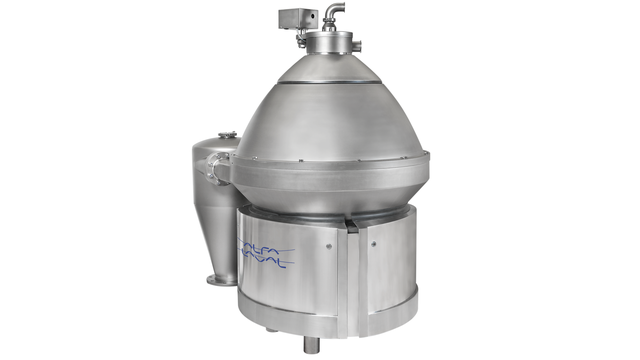
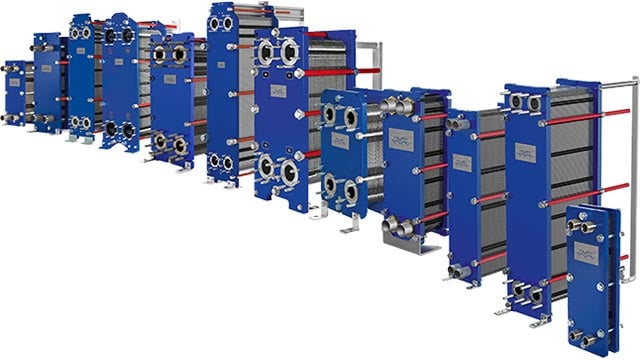
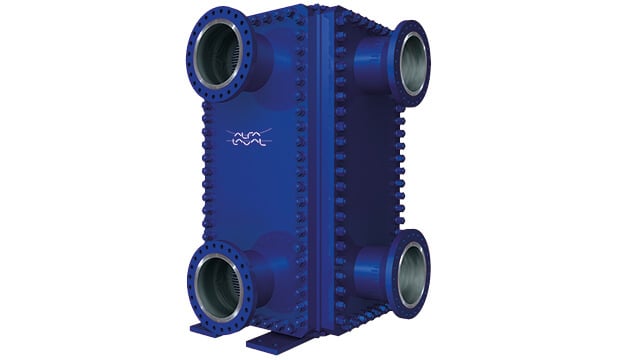
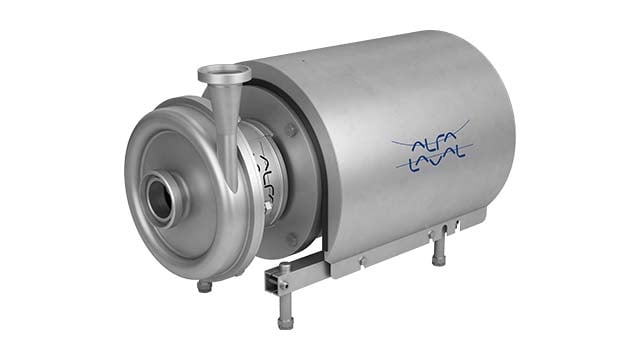
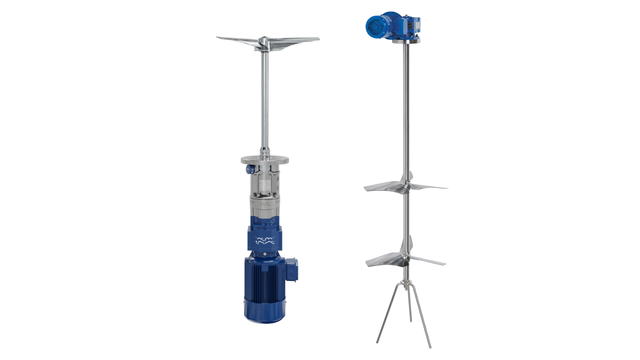
Key components used in the HVO pretreatment systems
Renewable fuels production
Find out how smart design choices can help improve sustainability and profitability in plants producing renewable diesel.
Service
Food system services
Alfa Laval Food system services help extend the performance of your food systems by maximizing the performance of your processes. This enables you to:
- Continually improve your operations to maintain competitive advantage
- Focus on uptime, optimization and availability
- Maximize return on investment throughout the life cycle of your food systems
Learn more about our service offer for food systems
Watch our HVO webinars

HVO Pretreatment Insights