The critical middle and the value within our reach
One of the biggest opportunities to strengthen our food system is not simply to produce more, but to get more from what we already have. Between raw material and finished food lies the Critical Middle, where processing, packaging, storage and distribution shape how much value we retain, how much we lose and what more we can create.
For Norwegian fish producer Pelagia, that ambition is taken almost to its limit. The company aims to use 100% of the fish for human consumption, with a focus on producing high-quality fish oil and fish meal.
The raw material remains the same. What can change is how effectively we use it, and how much value we can create from it.
Making more of what already exists
For most food producers, the natural starting point is to look at how existing production capabilities can deliver more.
Improving existing processes can increase yield, reduce product losses and lower resource consumption without requiring an entirely new production facility. Looking at the complete process can also reveal opportunities that may not be visible when individual pieces of equipment are considered in isolation.
At Marine Functional Vietnam, for example, an upgraded evaporation process reduced energy use by up to 40% while increasing the concentration of the protein- and nutrient-rich liquid recovered during fishmeal production, helping to improve fishmeal quality and yield. By using waste heat from the downstream drying process, the system also reduced the energy needed for drying.
Any improvement must work within the realities of food production. It needs to protect food safety and product quality, fit the wider process and make economic sense. The opportunity is not simply to make individual equipment more efficient, but to understand where a change can create value across the production process.
Finding value in underutilized side streams
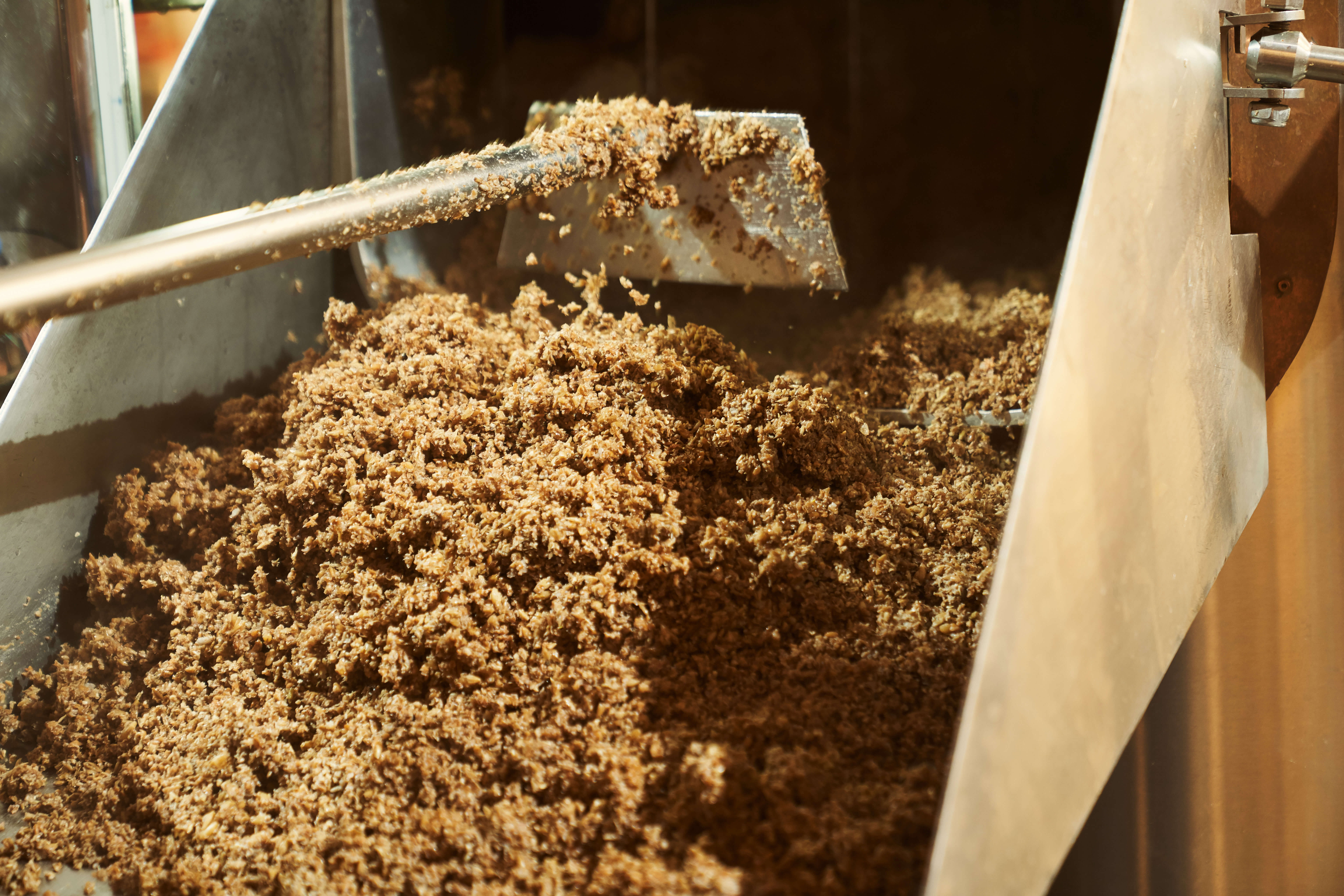
At a facility in St. Louis, proteins were recovered from brewer’s spent grain, turning what was previously sold as low-value animal feed into ingredients for human consumption.
The opportunity is to recognize the potential already present in underutilized side streams and understand how processing can make more of it accessible. This is not only about making better use of existing resources. Processing can also recover valuable components such as proteins that can be used to enrich other foods, creating value beyond the original process.
Whey shows how far that shift can go. Once largely considered a byproduct and a cost of cheese production, whey has become a highly valuable stream, in some cases generating more value than the cheese itself.
New approaches are now exploring how some proteins could be produced differently. Fermentation is being pursued as one such route, opening new possibilities for protein production.
Exploring what comes next
Fermentation and other emerging methods are creating new possibilities for proteins, ingredients and foods. Carbohydrates such as sugars, for example, can serve as feedstocks in fermentation processes that produce proteins and other food ingredients.
The challenge is turning technical potential into processes that can deliver consistent quality, food safety and viable economics at scale. Producers need opportunities to test how raw materials, technologies and process steps work together before committing to commercial production.
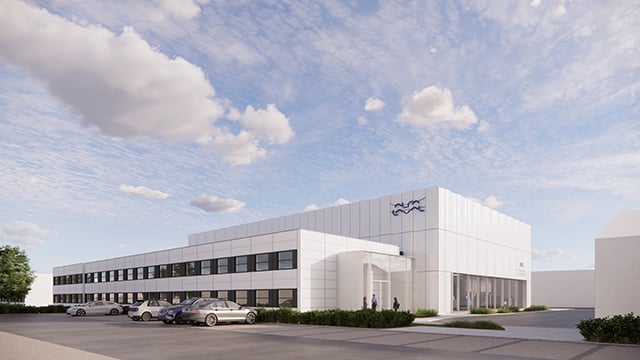
It is this gap between possibility and commercial scale that Alfa Laval’s new Food Application & Innovation Centre in Søborg, Copenhagen, is designed to help address. Here, customers and partners will be able to test processing routes, explore different approaches and build the evidence needed to move forward.
Ultimately, innovation is not only about what is possible, but what can be made to work in practice.
More than one path forward
The future of food will not be built on one breakthrough.
Progress will come from improving the processes we already rely on, creating more value from the resources moving through them and bringing new production methods to scale.
The technology is already there. The focus now should be on what we can achieve with it, and how much further we can take the food system by acting on the opportunities in front of us.