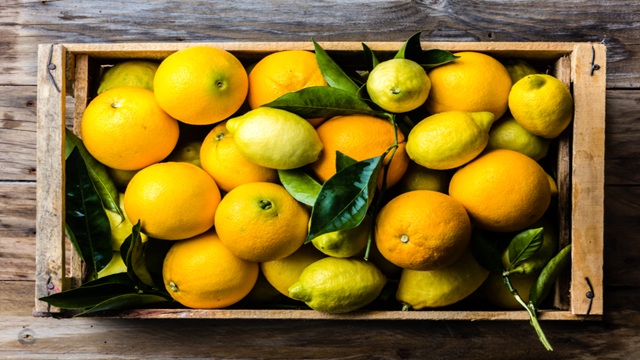
Citrus fruit processing
Modern citrus fruit processing demands a precise balance between product quality, operational efficiency and food safety. Producers worldwide depend on reliable technologies that support consistent orange juice extraction, stabilize flavor, recover valuable oils and minimize waste. With advanced separation, thermal treatment and fruit juice extraction equipment, processors can meet global consumer expectations while controlling costs.
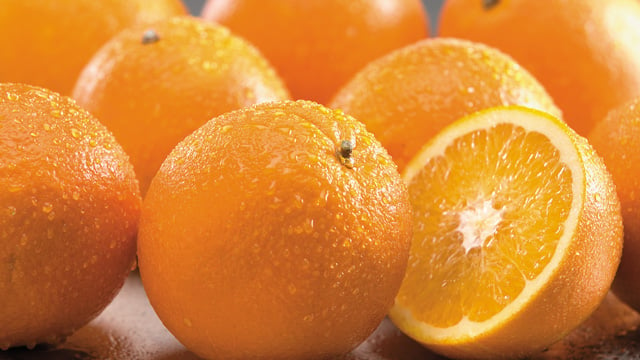
Challenges & solutions in citrus fruit processing
- Managing pulp levels and product texture
- Achieving consistent orange juice extraction
- Reducing operational costs while improving yield
- Controlling citrus oil content during clarification
- Ensuring stable juice quality through pasteurization
Citrus processors face increasing pressure to optimize extraction, boost yield, and maintain consistent quality across global markets. Balancing factors such as pulp control, oil removal, and enzyme deactivation is essential for safe, appealing juice products. Advanced citrus fruit processing systems deliver predictable performance through efficient orange juice processing equipment, precision separation, thermal management, and integrated aroma recovery. These capabilities support product stability, operational efficiency, and profitable large-scale production.
Scalable orange processing for global juice markets
Commercial orange processing focuses on two core outputs: premium juice and peel oil. Rapid, low-temperature concentration using rising-film technology preserves flavor and supports aroma recovery, while fruit juice extraction equipment and modern separators ensure stable pulp levels and clarity. These integrated technologies streamline the entire workflow, from extraction to pasteurization of oranges, delivering predictable, high-yield performance.
Focus on concentration
There are normally two focal points in the commercial processing of oranges – the juice itself and the oil extracted from the peel.
The juice is normally processed into concentrate or high-quality NFC (Not From Concentrate) juice, which can usually be sold at a premium. NFC-based juice is currently in considerable demand worldwide and is the fastest-growing market segment for orange juice.
When the juice is produced as a concentrate, equipment such as AlfaVap rising-film evaporators ensures rapid, low-temperature concentration. With the addition of a special aroma recovery unit, this gentle treatment helps make sure you get juice of the best quality.
Separation, concentration, and pasteurization of oranges.
Alfa Laval is a world leader in applying advanced centrifugal separation technologies to food and beverage processing.
If you produce orange juice, Foodec decanter centrifuges are ideal for removing pulp after extraction, while different types and sizes of Alfa Laval disc stack centrifuges are widely used in clarification.
Compact, thermally efficient Alfa Laval heat exchanger technology is also widely used to ensure the gentlest possible treatment when adjusting temperatures, and also for pasteurization that deactivates any enzymes present in the juice and makes it microbiologically stable.
Aroma and oil recovery
High-value oil and aromas can also be extracted from oranges, side by side with juice processing.
Alfa Laval can also supply you with state-of-the-art oil recovery units that can process delicate oil emulsions into clear, pure peel oil.
Optimized lemon processing for juice and high-value oils
Lemons differ from other citrus fruits because their juice is too acidic for direct consumption, making processing essential. The juice is typically concentrated to 48–55 °Bx or used as a stable ingredient in beverages and formulations. The oil extracted from lemon peel carries significant commercial value, driving the need for precise separation and consistent thermal management.
Whether operating single-fruit or multi-fruit facilities, processors benefit from systems designed to maximize yield and maintain product integrity. Effective peel-oil separation is central to citrus processing, and hermetic bowl technology ensures reliable removal of trace oils without compromising flavor or clarity. These capabilities support diversified revenue streams across global citrus markets.
Separation, concentration, and pasteurization of oranges
If you produce orange juice, Foodec decanter centrifuges are ideal for removing pulp after extraction, while different types and sizes of Alfa Laval disc stack centrifuges are widely used in clarification or in recovering pulp for cloudy juices.
Precision hermetic separation for citrus oils
Processing lemons or other citrus into juice often results in elevated citrus oil levels, which can affect taste and stability if not controlled. Reducing these oils requires an extremely precise separation process, because the oil quantities are minute and highly sensitive to shear.
Advanced hermetic separators bring ultra-smooth, oxygen-free operation that protects juice quality while ensuring reliable purification across global citrus fruit processing applications.
Gentle pasteurization for high-quality orange juice
Compact, energy-efficient heat exchangers ensure that NFC orange juice, even when rich in pulp, receives gentle temperature treatment that preserves flavor and texture. These systems stabilize the juice by deactivating enzymes and minimizing microbial risks. In modern orange juice processing equipment, thermal control is critical to meet safety standards and maintain the desired sensory profile demanded by global consumers.
High-value aroma and peel-oil recovery systems
Advanced systems allow producers to capture valuable citrus aromas and essential oils alongside standard juice production. Modern recovery units process delicate oil emulsions into clear, high-purity peel oil, supporting premium product lines and additional revenue streams. Integrated aroma recovery also preserves desirable volatile compounds within citrus fruit processing, crucial for both NFC and concentrate markets.