How Giesen group is rethinking water use in winemaking
At Giesen Group in Marlborough, New Zealand, changing the winemaking process is helping reduce water and energy use while supporting more reliable production as the wine industry faces wider pressures from climate change and rising production costs.
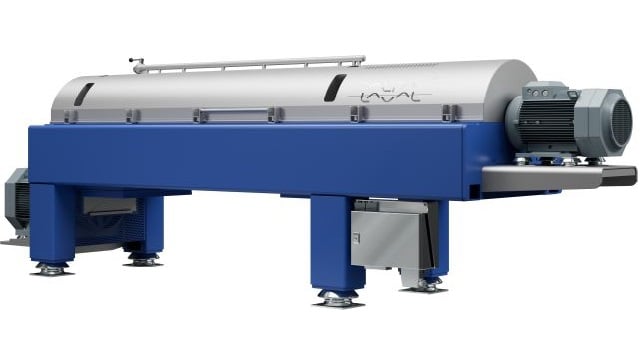
DATE 2026-10-22Giesen Group began trialing decanter technology in 2020 as a way to extract juice from Sauvignon Blanc grapes. By moving from traditional pressing to decanter technology at its large Marlborough winery, Giesen has been able to remove two key processes from production, significantly reducing both power and water use.
For Giesen, these efficiencies sit within a bigger challenge. Climate change is creating new pressures for the wine industry, while wineries still need to maintain consistent production and the character of the wine they are trying to make. Giesen’s experience shows how the production process can play a role in responding to those pressures.
Using less water from the start
The decanter separates juice rapidly from grape solids and removes process stages associated with traditional pressing. This not only streamlines production but can also reduce water usage in a winery by as much as 50%. For Giesen, using less water and power is directly connected to its sustainability ambitions and to the long-term challenges facing wine production.
Using the decanter process for juice separation does mean that we use significantly less power and significantly less water, and for us that’s really important with our sustainability on the side of Giesen wines,” says Duncan Shouler, Chief Winemaker, Giesen Group.
Duncan also points to climate change and the cost of production as two important challenges for the longevity of the wine industry. That makes efficiency about more than reducing resource use: it is also about building a production process that can perform reliably when conditions become more challenging.
Responding to more challenging grape conditions
One example is the condition of fruit arriving at the winery. Duncan explains that the decanter allows Giesen to process fruit reliably, consistently and quickly even when grape disease is present. With conventional presses, some grape disease can block the press screens and slow production.
With the decanter, juice can be separated from the solids very quickly, helping Giesen continue processing consistently and move the juice away from the solids as fast as possible while producing the style of wine it is aiming for. Duncan continues,
You can continue to process rapidly, fast, consistently and get the juice off the solids as fast as possible to make a really classic example of the wine you’re trying to make.”
For Giesen, this adds a resilience dimension to the efficiency story. As climate change creates wider pressures for the industry, having a process that can continue operating reliably when grape conditions are more difficult can help the winery respond without losing sight of the end product.
From reducing water use to reusing water
The same focus on resilience and resource efficiency is shaping how Giesen thinks about water beyond the production process itself. Duncan describes water use, and what happens to water after it has been used, as increasingly important considerations for wineries adapting to climate change and sustainability challenges.
At its Marlborough winery, Giesen is looking at ways to fully recirculate water so that it can be reused within the winery. The aim is to significantly reduce the amount of water used on site and further reduce the winery’s footprint.
One of the first steps in water recirculation is removing as much solid material as possible. Decanter separation can remove a large amount of those solids from the water, preparing it for further treatment.
Creating the conditions for reuse
Following solids separation, Duncan describes using other treatment processes followed by reverse osmosis to treat the water further, to an extent where it can be reusable and potable for drinking and for use throughout the winery.
Together, these steps connect the different parts of the Giesen story: a production process that uses significantly less water and power, can continue to process fruit reliably when grape conditions are challenging, and can support the first stages of a wider approach to water recirculation.
For Giesen, it is a practical example of how the right process technology can support a more resilient and resource-efficient winery: reducing demand, responding to changing conditions and looking for opportunities to keep water in productive use for longer.