
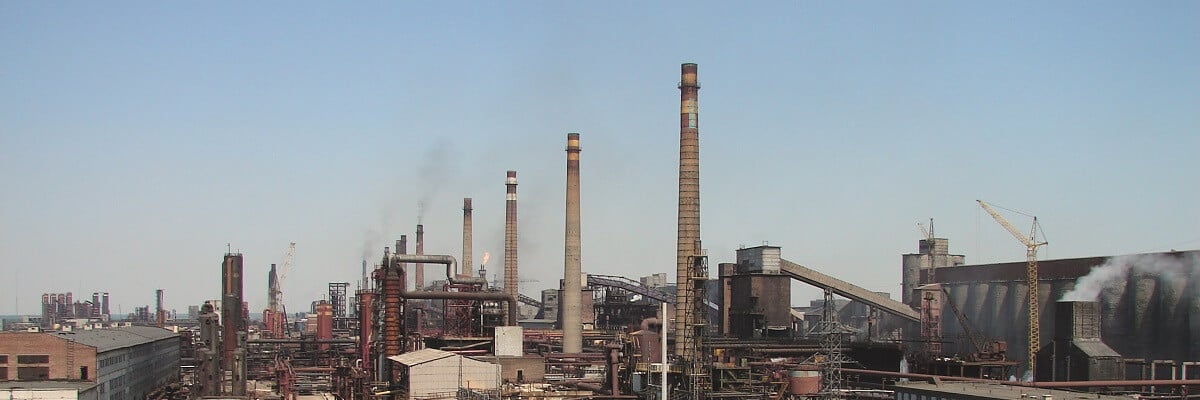
Closed final gas cooling systems save energy and eliminate emissions at coke plant
Avdeevskiy coke processing works is Ukraine’s leading coke processing plant. To comply with European emission and process regulations for the coke industry, the plant has replaced two open final gas cooling systems,using scrubbers, with Alfa Laval closed systems utilizing 11.5 metre high spiral heat exchangers (spiral columns).
DATE 2023-11-28According to Chief Engineer Semen Kaufman, the results in terms of energy savings and reduction of harmful emissions were impressive.
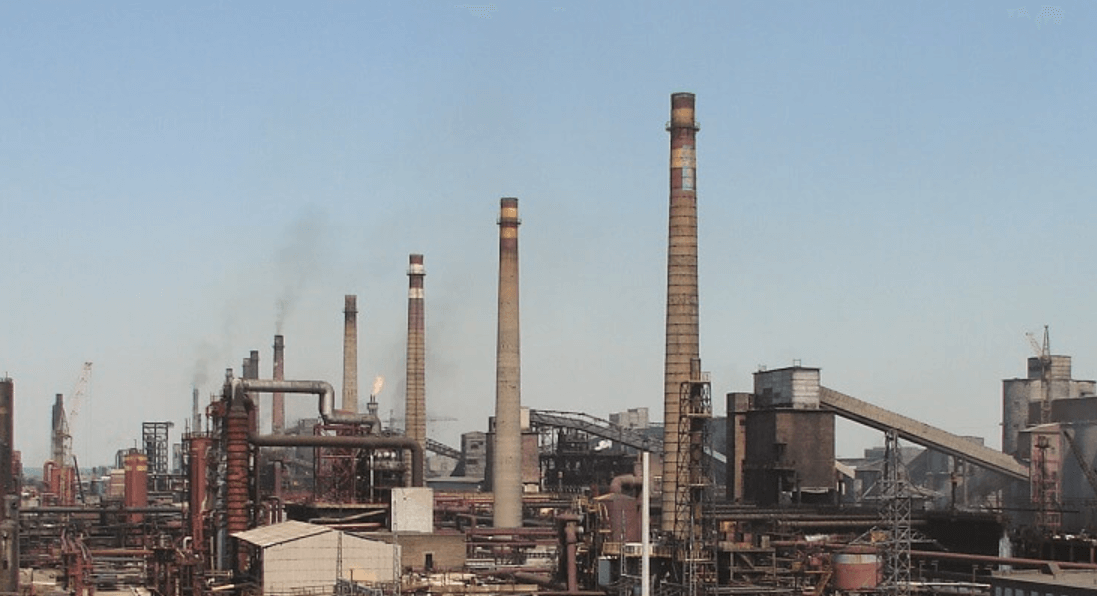 Avdeevskiy coke processing works in Ukraine was the first plant of its type to invest in closed final gas cooling systems.
Upgrading the desulphurization department
Prior to the installation of the new systems, the coke oven gas (COG) was scrubbed and cooled in an open system using water. This arrangement resulted in considerable emissions of harmful substances to the atmosphere from the cooling towers. After hearing about Alfa Laval’s technical solution, Avdeevskiy coke processing works decided to install closed final gas cooling systems in the desulphurization department.
These systems comprised a three-stage spiral heat exchanger (SHE) tower, which would allow the gas to be scrubbed and cooled before the benzene scrubbers. In this arrangement, the COG enters the upper part of the SHE tower, passes through stages I, II and III, and is released through an outlet at the bottom of the vessel. It then continues to the benzene scrubbers.
The cooling water flows in the opposite direction, upwards in the tower in a spiral mode. In order to ensure sustainable operation, each step is equipped with a continuous spraying system using an oil/water emulsion as washing agent. In addition, by applying a high enough gas velocity a self-cleaning effect is established.
Final cooling water loop closed
Gas cooling is achieved by circulating technical water from plant systems. Water cooling is carried out in cooling towers and there is no direct contact between the gas and the water.
The heat exchange is performed in the heat exchanger sections in the SHE tower. The final cooling water loop is thus closed.
Avdeevskiy coke processing works was the first coke processing plant in the world to invest in this solution. Emissions of ammonia, hydrogen cyanide, hydrogen sulfide, benzene, naphthalene and phenol were reduced to zero. Reduced pumping costs and elimination of water treatment costs provided substantial financial and energy savings.”
- Semen Kaufman
Many additional benefits
Semen Kaufman:
The source of hazardous discharges, such as ammonia, hydrogen cyanide, benzene and naphthalene, to the environment were eliminated. There were space-saving advantages as well. The height of the old final gas coolers with the naphthalene scrubber was about 40 metres, with a diameter of about 6 metres. This was replaced with a unit 11.5 metres high and 2.1 metres in diameter.”
Semen Kaufman relates that the performance of the benzene section was improved by means of a decrease in COG temperature after the final gas cooler.
The recovery of crude benzene was increased by 1.5–2%. The performance of the condensing section was improved. Sedimentation of tarry substances was prevented in the cooling towers of the final cooling cycle and steam and electricity demands were reduced by 15–20%.”
Alfa Laval spiral heat exchangers are designed to handle the toughest heat transfer challenges, such as frequent fouling from dirty media or limitations from pressure drop and floor space.
Customer's voice
Emissions of ammonia, hydrogen cyanide, hydrogen sulfide, benzene, naphthalene and phenol were reduced to zero. Reduced pumping costs and elimination of water treatment costs provided substantial financial and energy savings.
Semen Kaufman