
Beer concentrate, a new generation of beer
Great-tasting draft beer from beer concentrate? You bet! Beer concentrate is a new generation of beer and is every bit as good as fresh draft beer on tap – that’s what taste tests reveal about rehydrated beer from concentrate.
DATE 2024-08-13Great-tasting draft beer from beer concentrate? You bet! Beer concentrate is a new generation of beer and is every bit as good as fresh draft beer on tap – that’s what taste tests reveal about rehydrated beer from concentrate. The Alfa Laval RevosTM draft dispense system delivers the same great-tasting beer and beverages from concentrate while, at the same time, reducing emissions, water consumption and energy costs related to beer production and distribution.
Choose between Revos draft dispense systems for bar cellars, and Revos draft dispense mobile systems for cafés and temporary or crowded venues, such as concerts or sporting events. Both come with integrated monitoring systems to ensure the quality of every pour (temperature, carbonation, alcohol by volume, flow rate).
Brewery taste tests
Experts subjected reconstituted European lager from a Revos-produced concentrate to an in-depth sensory evaluation with taste, aroma, and mouthfeel among the criteria. Test results revealed a taste match between an original beer and a rehydrated beer.
Up to six times more efficient than regular bulk transport
Hauling kegs and other bulk containers to bars, cafés and restaurants are fossil-fuel intensive. Minimizing bulk transport costs and carbon footprint is a logical way to reduce beer makers’ and beer lovers’ impact on the environment.
Transporting concentrate is up to six times more efficient than transporting regular beer and beverages. Using Revos draft dispense with the Alfa Laval Revos concentration system helps beer manufacturers, as well as bars, cafés and restaurants, cut transport costs. It also boosts their sustainability credentials while reducing costs and emissions related to packaging, storage, shipping and refrigeration.
Why use Revos draft dispense?
Serving alcoholic and non-alcoholic concentrates directly from the tap with the Revos draft dispense system:
- Can save more than €20 per hl on keg transport
- Reduces the CO2 footprint of breweries, beverage manufacturing facilities and serving establishments while contributing to meeting sustainability goals
- Ensures pour quality using the Alfa Laval Revos draft dispense monitoring system
Quality management of beverages on tap
The Revos draft dispense monitoring system ensures the quality of every pour. When using the Revos draft dispense cellar and mobile systems, the monitoring system provides an overview of the alcoholic and non-alcoholic concentrates on draft. A wireless network connects the Revos draft dispense units to the control system and relays quality information to both bar and brand owners.
Alfa Laval Revos portfolio
The Revos draft dispense system is part of the Alfa Laval Revos beer and beverage concentration portfolio, which includes the Revos concentration system and the Revos concentration system with dealcoholization and dearomatization.

Highlighted technologies
Latest stories for brewers
View more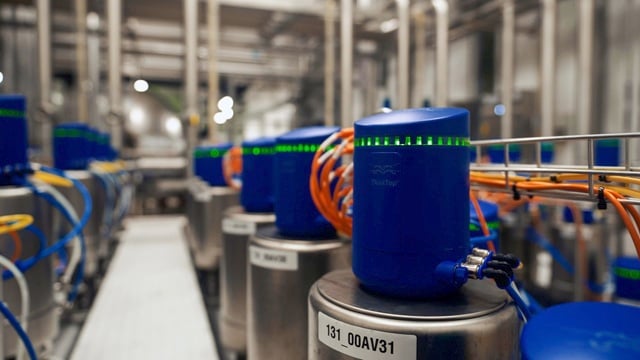
Close collaboration revolutionizes CIP media savings
Alfa Laval and Tetra Pak are working closely on an effort to radically reduce the volumes of media used for CIP (cleaning-in-place) at dairy plants and similar operations, making a significant impact across EMEA markets. By optimizing processes, customers can unlock impressive savings through low-investment, low-effort improvements, resulting in strong gains in both sustainability and profitability
November 3, 2026

Rethinking biofouling risk in an era of shipping disruption
Biofouling protection is usually specified around an expected operating profile. But vessels don't always operate as expected. Extended periods at anchor or alongside, as well as prolonged low-speed operation, can alter biofouling exposure. The extent depends on factors including the environment, coating condition, maintenance history and the vessel’s recent operations. That makes prevention a wider resilience question, not simply a matter of cleaning the hull once fouling has developed. Owners can build greater resilience by considering how their protection strategy performs when actual conditions change unexpectedly.
October 29, 2026
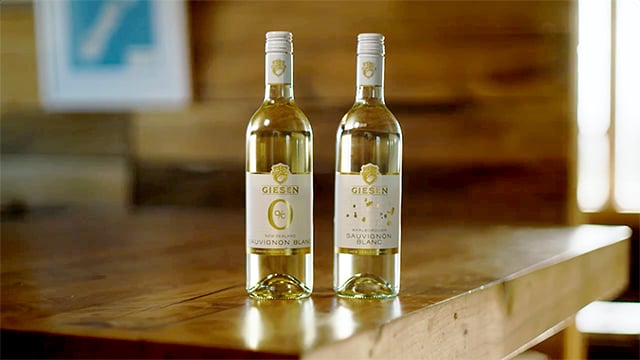
How Giesen group is rethinking water use in winemaking
At Giesen Group in Marlborough, New Zealand, changing the winemaking process is helping reduce water and energy use while supporting more reliable production as the wine industry faces wider pressures from climate change and rising production costs.
October 22, 2026