
Transforming wastewater
Without water there is no life, and with only 1% of freshwater readily available and accessible, water resources are under increasing pressure as the demand for water grows in agriculture, energy, food, and health & hygiene. At Alfa Laval, we know that cleaning the world’s 380 billion cubic meters of wastewater takes centre stage in clean freshwater management and that the most sustainable way to preserve water is to imitate nature’s own circular use of water, which has sustained life on the planet since the beginning of time.
Eline Suijlen has spent her career at the intersection of water science and real-world operations. In this clip, she explains why the perception of waste has changed and why facilities that adopt a circular mindset will stay compliant, funded and resilient.
Carbon into biogas. Solids into minerals. Treated water back into systems.
Watch the video now.
6.5 trillion – that’s the projected global investment gap for municipal water infrastructure by 2040, according to the World Economic Forum, underlining the growing risk to water system reliability. At the same time, global water demand has risen sixfold over the past century and continues to accelerate.
Today, 4 billion people experience water scarcity, 3.4 billion lack safely managed sanitation and over 2.1 billion do not have access to safe drinking water. Current agricultural practices are also insufficient to meet the food demands of a growing global population by 2050. Addressing these challenges will require more than USD 1 trillion in annual investment, according to the World Bank.
Following the Global Water Summit 2026 in Madrid, one message is clear: business as usual is no longer viable. Accelerating the adoption of innovative water and wastewater solutions is critical to strengthen resilience and support growing urban communities.
The technologies exist. Now it’s time to scale implementation.
Hear Alfa Laval experts share their key takeaways.
Towards an energy-neutral resource-recovery plant
Wastewater treatment is an energy-intensive process, with municipal plants consuming around 4% of global energy while generating greenhouse gas emissions from both operations and sludge handling, including methane release.
To improve efficiency, modern wastewater treatment plants implement energy-efficient technologies and integrate energy recovery systems. Heat is captured and reused across treatment stages, methane from sludge is converted into renewable energy, and hydropower opportunities are utilized - enabling the transition toward energy-neutral or energy-positive operations.
Sludge management is also transformed within this optimized process. Instead of being treated as waste, sludge becomes a valuable resource. Advanced treatment and dewatering technologies enable resource recovery, including phosphorus, while improving sustainability and reducing freshwater production costs.
High-performance dewatering further enhances efficiency by increasing cake dryness, which reduces sludge volume, transportation needs, disposal costs, and overall energy consumption. This integrated, circular approach positions wastewater treatment as a sustainable, resource-recovering system aligned with energy optimization and environmental goals.
Listen to our experts as they explore how municipalities can future-proof wastewater treatment through scalable, evidence-based technologies and practical process optimization strategies.
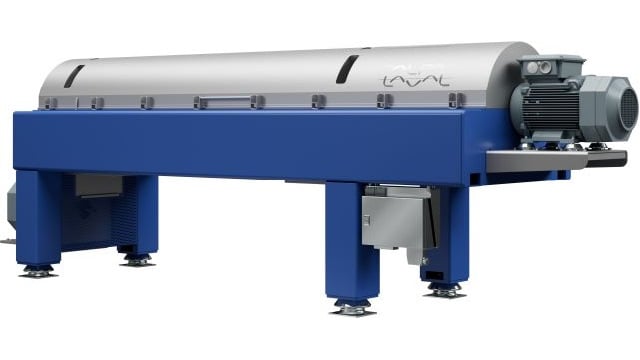
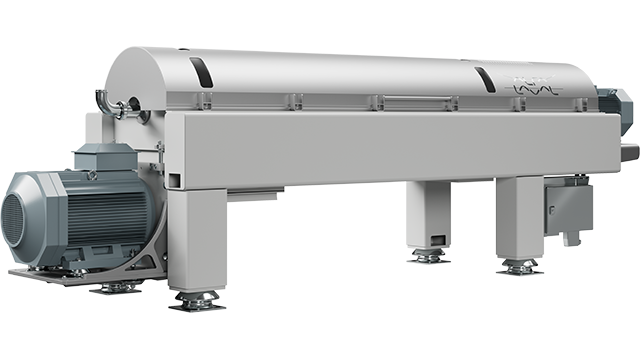
Treating wastewater is essential but it comes with a challenge. Sipke Verbeek explains how using advanced decanter technology, seven pools of sludge can be reduced to just a quarter of a pool.
Fewer truck movements. Less diesel. Lower carbon emissions. Watch now.
Instead of replacing parts on a fixed schedule, monitor the components that matter and act before failures occur. Jorge Díaz explains where facilities often lose budget without realizing it.
Less unplanned downtime. Less polymer consumption. Lower CO₂ emissions. Watch now.
For over 30 years, Alfa Laval has supported China and its wastewater industry. Wayne Zhu reflects on the country’s rapid urbanization and the growing focus on operational efficiency.
Energy-saving upgrades. Digital solutions. Carbon reduction. Watch now.
Transforming wastewater treatment
Renew and future‑proof your municipal wastewater treatment systems with Alfa Laval’s industry‑leading technologies. With more than 70 years of experience in wastewater treatment solutions, Alfa Laval helps municipalities improve sludge dewatering efficiency, operational reliability and regulatory compliance while reducing lifecycle costs. Discover how advanced solid–liquid separation technologies and proven process optimization strategies can help wastewater treatment plants meetstricter regulations and growing capacity demands.
Watch the on-demand webcast to learn how municipalities can future-proof their systems with scalable technologies and practical process optimization strategies.
Latest municipal wastewater treatment stories
Environmental regulations are becoming stricter while municipal budgets remain tight. If you lead wastewater services, you need upgrades that deliver compliance and cost control – not added complexity. Alfa Laval provides evidence-based, deployable solutions designed for the pressures public-sector facilities face today.

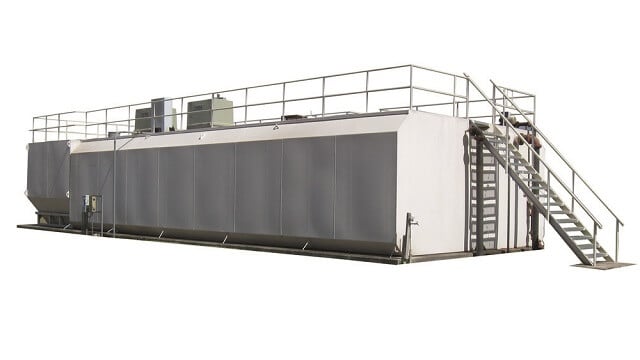
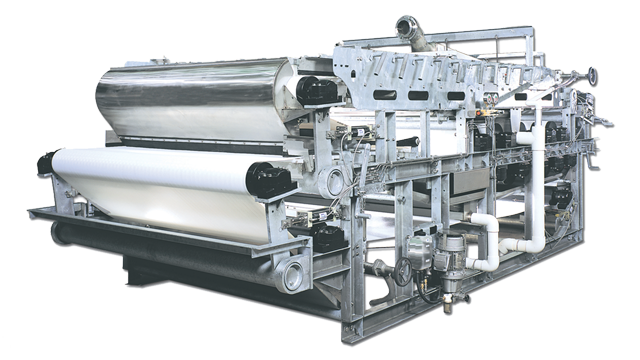
Key products

Subscribe to our Wastewater Newsletter
Sign up to receive monthly insights from across the water and wastewater industry, delivered straight to your inbox.
Contact us
Are you looking to reduce unplanned downtime, cut unnecessary costs and improve efficiency in areas like water, electricity and polymer use?
At Alfa Laval, we understand that each wastewater facility is unique. That’s why our team of experts takes the time to assess your process, sludge type and the specific needs of your utility before making any recommendations.
If improving performance, uptime and cost control is part of your priorities, simply fill out the form to get started.