The future of oils & fats processing: sustainable, efficient, and innovative
Shaping the next era of oils and fats processing through cleaner production, operational efficiency, and continuous innovation
The global market for oils and fats is currently estimated at more than EUR 315 billion, and with potential growth drivers everywhere you look throughout the sector, that is set to rise to around EUR 500 billion within 10 years (https://www.morningstar.com/news/accesswire/1145602msn/fats-and-oils-market-forecast-2026-2036-global-market-to-reach-usd-57656-billion-by-2036-at-50-cagr-future-market-insights-inc).
The industry has an absolutely pivotal role to play in the global challenge to feed, protect and transport our growing population in a sustainable way, and, to achieve that, processing technology has to continue to develop at pace to deliver innovative and efficient solutions.
Alfa Laval is at the forefront of the future of oils and fats processing, dedicated to pioneering a positive impact through its portfolio of cutting-edge equipment and technology, which are already making a difference for customers across the world and will evolve as new challenges arise.
Oils and fats processing is responsible for many of the foodstuffs we eat daily (e.g., edible oils, shortenings, margarine, confectionery and snacks), animal feed, products used in pharmaceuticals and cosmetics (e.g., soap, stearic acid, tocopherols, polyphenols, Omega 3 and 6), and biofuels (e.g., biodiesel and HVO).
The raw materials for these vital and disparate products are plants and animals, and each process journey is different, with several key points at which technological innovation can have a profound effect on the sustainability and efficiency of the overall production. Breakthrough methods that improve extraction, degumming, bleaching, deodorizing or modification can have a major impact on the sustainability, efficiency and profitability of the whole.
Looking ahead to the future of the oil and fats processing industry, many factors determine where we are heading – including changes in population, climate, demographics, and consumer demand.
The growing population – the UN estimates that there will be one billion more people in the world by 2042 than there are in 2026 – coupled with higher income levels in emerging economies, means that demand for products from oil and fat processing will remain extremely strong. The need, then, to get more from less in processing performance will be greater than ever as our global resources become ever more stretched (https://ourworldindata.org/un-population-2024-revision).
Consumers are increasingly environmentally aware, understanding the environmental impacts of food production. In fact, the food industry already accounts for almost 30% of total greenhouse gas emissions, and consumers are demanding a more sustainable approach from growers and producers.
This is set to intensify in the future, which plays directly to Alfa Laval's strengths, with well proven solutions developed over many years of exploration and innovation in sustainable processing.
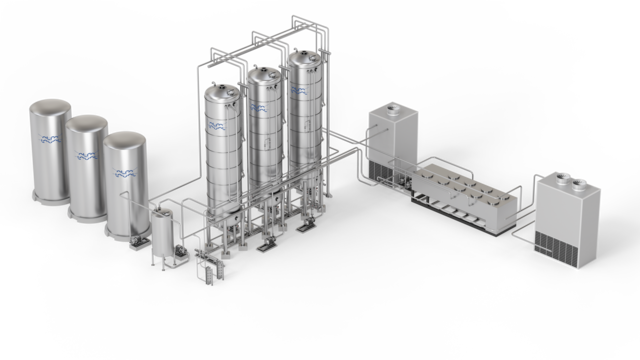
Within oils and fats, this means equipment such as the POMEVAP system, a pioneering evaporation technology that has revolutionized the processing of problematic palm oil effluent by recovering valuable by-products and reusing process water. The system is a game-changer because, compared to traditional methods, it doesn't produce methane, takes up less space, and saves on water and waste.
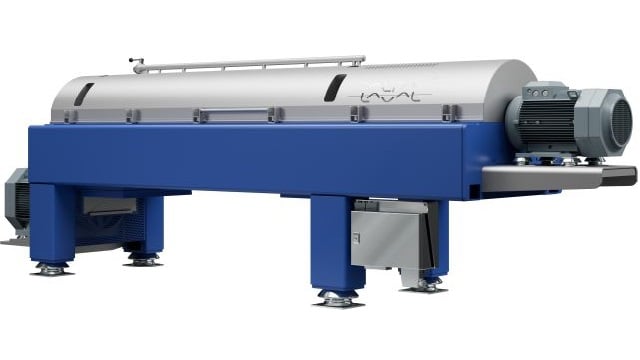
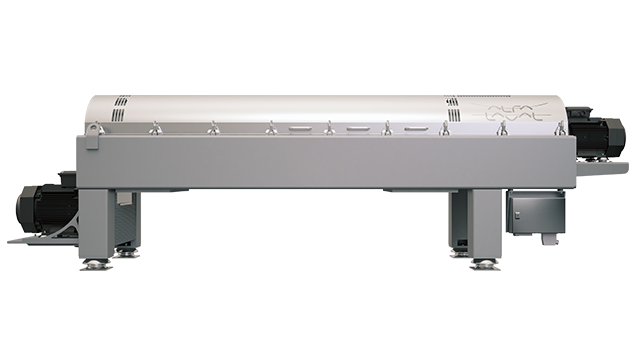
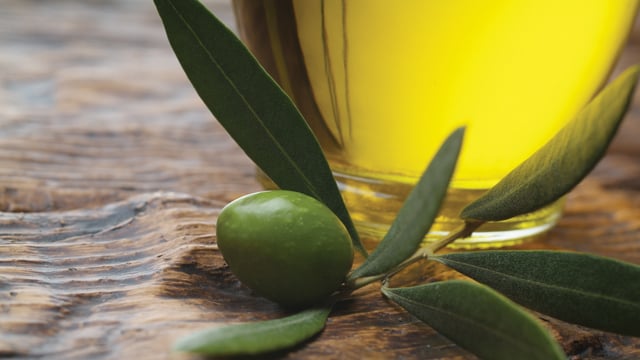
Meanwhile, in the more traditional world of olive oil, the vacuum technology of the Olive Oil Booster and Sigma decanter are increasing yield, improving product quality and saving resources.
As we head into the future, water will become an ever-more precious resource and energy demand is set to grow by 2050, so it is proven Alfa Laval solutions like these that will form the basis of tomorrow's technology; sustainable, efficient and cost-effective processing systems that also boost yield and quality, delivering for both producers and consumers.
With strong demand for oil and fat products, there has also been a clear shift in recent years towards more nutritious, functional foodstuffs that support a healthier lifestyle, an accelerating trend that many industries are racing to keep up with. For instance, you only have to look in your local stores to see how non-dairy alternatives such as plant-based cheeses and creams are taking up increasingly more shelf space.
In oils and fats processing, this takes the form of a growing demand for healthier, cold-pressed oils such as Omega-3, as well as lower-saturated-fat products that can be used in healthy drinks and foods.
For a leading supplier of technology and expertise to the industry like Alfa Laval, this means fine-tuning its portfolio to develop new ways to process the right raw materials so that the final products have a purity and quality that fit this healthier blueprint.
Shaping the next era of oils and fats processing through cleaner production, operational efficiency, and continuous innovation
Going forward, the industry will also see an increased focus on developing new specialty fats, high-oleic vegetable oils, and alternative lipid technologies to replace traditional sources, and again, Alfa Laval is leading the way in exploring these potentials.
And it is not just in food production that the demand for more sustainable approaches will continue to drive innovation; the rise of electric cars shows just how eager people are to minimize their environmental impact through their transport choices.
In the oils and fats industry, this is reflected in the increasing demand for biodiesel and HVO (Hydrotreated Vegetable Oil), which are produced from the processing of crops, animal fats, low grade oil, and used cooking oil.
This is a relatively 'young' sector, rich in opportunities for innovators who can find ways to produce more for less.
Delivering a steady and secure supply of a reliable fuel other than oil, which has a major impact on the environment, including increased CO2 levels, and can be subject to violent price and supply volatility, especially when there is geopolitical turbulence, could be a game-changer for the planet. Alfa Laval is already extremely active in this field, with its world-leading Decanters team developing technology in the form of the Prodec Oil Plus range, which has turbocharged production at bioethanol plants through its ultra-efficient processing of corn oil and has scope for further development in the years to come.
Across the board, then, the challenges ahead for the oils and fats industry are significant – but so are the opportunities. The future can be difficult to predict, but by partnering with experts who are agile and innovative in their approach, like Alfa Laval, producers can mitigate the headwinds they may face and plot a sustainable, efficient course to profitability and success in oils and fats processing.