Modern olive & avocado oil processing: trends and efficiency
They have histories that began in different parts of the world and are separated by millennia when it comes to full-scale development, but olive oil and avocado oil both now have a robust global popularity that is growing every year.
The increasing drive for health and wellness among populations, who are increasingly better educated on the benefits of good nutrition, sustainably produced, has seen a consumer shift towards high-quality edible oils with a clear provenance.
For olive oil and avocado oil producers, creating a competitive marketplace where having the very latest processing technology that operates efficiently and sustainably to maximize yield and quality, minimize waste and boost profits is the absolute bedrock of success.
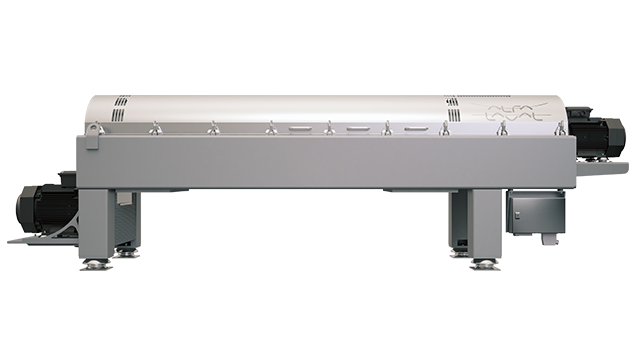
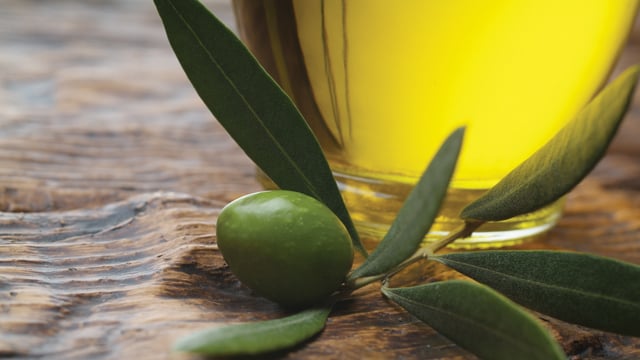
The search for an answer to the question ‘how is olive oil made?’ started on the slopes of Mediterranean countries 8,000 years ago, and ends in the high-tech facilities of today that have added malaxers, decanters, separators, centrifuges and filters alongside the traditional olive oil press machine.
Olive oil is rich in anti-oxidants, polyphenols and vitamin E – hence its position as a key player in the health food market – and the key to maximizing these in the final product is top-class extraction via mechanical methods.
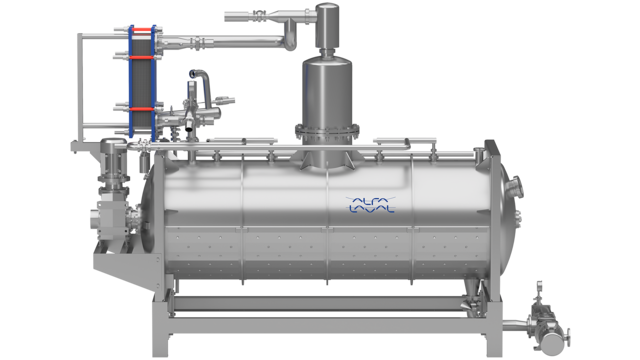
It is in this processing that Alfa Laval is leading the way with its technology and innovation, as it has done over the years. It was the first to use high-speed separation in the olive oil process in the 1920s, introduced decanters into the process in the 1940s, and more recently launched the Olive Oil Booster system, a mechanical method that replaces the conventional malaxer step for paste preparation and is capable of de-aerating the paste while controlling the temperature and pressure.
With major markets such as China and India discovering the benefits of olive oil for the first time, the olive oil market is set to continue to grow, and the drive to produce more for less is sure to shape the next round of innovation in olive oil production.
As olives were first being harvested on the coasts of southern Europe centuries ago, so the avocado was already being grown as a premium crop among the Aztecs in Central and South America.
But incredibly, given the current popularity of the product, it was not until halfway through the 20th century that industrial production was considered, and the question started to be asked: how is avocado oil made?
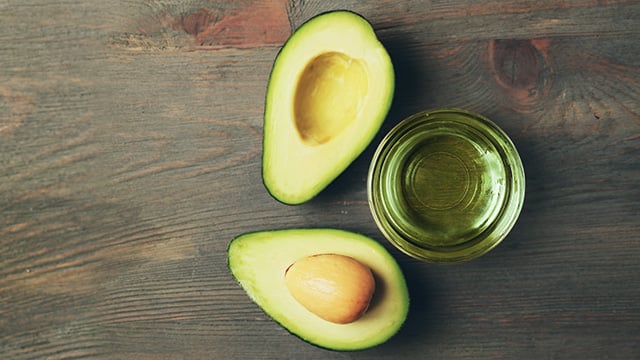
So, how is avocado oil made?
The answer, as it turned out, was much the same as olive oil, and as a relatively young industry, it follows that there is scope for major leaps in development, and even opportunities for olive oil producers to branch into avocado oil production.
Traditionally, avocado oil was produced from the bruised and damaged fruit, but as the market has grown, and technological advances have been made, producers now see the value in making extra virgin oil by cold pressing the highest quality harvest.
This makes for the very best avocado oil, rich in oleic acid, Vitamin E, lutein, and other components much valued in the world of health food and the cosmetic industry.
As a cooking oil, it also has a high smoking point – higher than olive oil – which makes it better for searing, stir-frying, grilling, and roasting.
Alfa Laval is partnering with avocado oil producers all around the world to help them meet the growing consumer demand, with industry-leading knowledge and technology, developed from decades of experience in cold-press processing.
Heading into the future, with olive oil processing being a very seasonal production schedule, and climate change impacting the predictability of harvests, moving into joint production could mitigate against these potential impacts. Alfa Laval is on hand with the experience and knowledge to partner with producers to continue to develop advanced equipment that can be efficiently and sustainably maintained to reliably make both products throughout the year.
For traditional olive oil producers, this creates a parallel revenue stream, hugely boosting a return on investment on the best processing equipment, while maximizing water and energy use, and feeding into the same health-focused marketplaces.