The future of beer production: sustainable, efficient, and innovative
When the first brewers were fermenting steeped grains in Mesopotamia more than 7,000 years ago, the concepts of sustainability, agility, and diversification were probably not high on the production agendas as they set about creating this new, refreshing, alcoholic drink
But for beer-makers in the 21st Century, that is exactly what is required to succeed in the future as this ever-changing industry faces a host of significant challenges, from volatile consumer trends to volatile climactic conditions.
In order to manage the current phenomenal pace of change, one quality that today’s brewers definitely share with those first beer-makers is a passion for innovation and an understanding of what is possible by thinking differently.
Whether it’s large global brands or small craft brewers setting out on their journeys, the landscape is not an easy one for beer-makers. Still, with support from long-time experts like Alfa Laval, steeped in the industry for many decades, the path can be a profitable, sustainable, and rewarding one.
While the media reports a recent steady decline in consumption in traditional beer-drinking countries, the fact that the global market is currently worth around EUR 730 billion, and is set to rise to more than one trillion Euros by 2030, shows that a lot is going on behind the headlines (https://www.grandviewresearch.com/industry-analysis/beer-market).
Beer drinking is on the rise in regions that have traditionally favoured other alcoholic beverages, while the increase in demand for low and no alcoholic drinks has been remarkable. Driven mainly by a younger, social-media-savvy generation seeking to lead a healthier lifestyle, this burgeoning sector had already reached approximately EUR 20 billion by 2023 and is projected to grow to around EUR 40 billion by 2033. (The No / low alcohol beer market is already at 20b EUR (2023 number, and prediction set it at 40b EUR in 2033).
Alfa Laval is supporting brewers big and small to help keep pace with these shifting trends and is continually refining its technology to make processes even more efficient and sustainable.
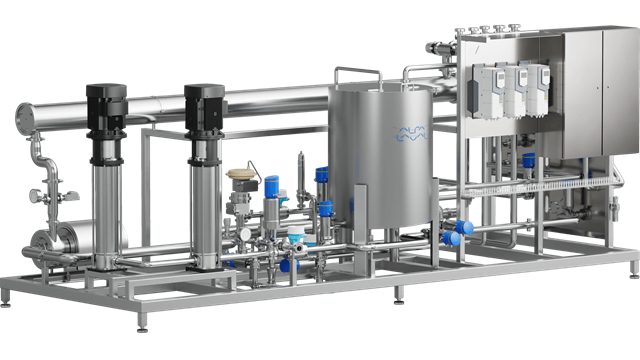
The Low-alc de-alcoholization module, for instance, is already helping established brewers take their first steps into low - and no-alcohol beer, producing high-quality, refreshing drinks that are hitting the market and proving popular with eager consumers looking for all the taste without any of the after-effects.
Diversification is key to meeting the ever-wider range of tastes and preferences of people walking into bars or scanning supermarket shelves for a new drink of choice.
Brewing smarter for tomorrow—where sustainability, performance, and innovation come together
Indeed, Alfa Laval’s innovation is often driven by working directly with customers to address specific challenges and developing technologies that can change the game.
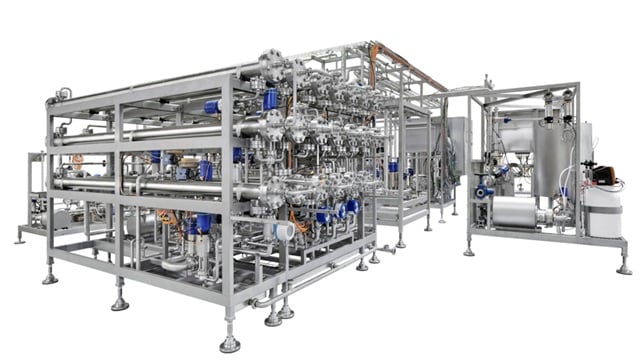
The Brew 80 system, for example, combines centrifugation with the optional ProCarb inline carbonation module and can be adapted for nitrogen dosing in beer.
This need for fleet-footedness and flexibility even extends to brewers thinking the unthinkable and looking beyond beer, with reliable, affordable technology like rotary jet mixers and burst-clean valves available to ensure that the same lines that produce quality ales can also be easily cleaned and repurposed to make seltzers, soft drinks, and energy beverages.
While keeping a finger on the pulse to understand and meet the evolving and diversifying preferences of consumers, brewers face an even bigger challenge in exploring the sustainability and affordability of their operations – from the brewhouse to the fermentation process, to the packaging, and even potential on-site power generation.
With climate change making water an increasingly precious resource, a water-intensive process like brewing is crying out for precise, pioneering technology that maximizes its use and finds new ways to reuse and recycle water.
Alfa Laval is continually developing its portfolio to deliver better and better results with its equipment – saving energy and water – helping to cut environmental impacts and, of course, costs for battling brewers.
A key production technique that delivers this for beer makers, and is set to be seen more and more, especially in areas of water stress where regulations are strict, is the concentration of the product so that local water resources are saved, and less CO2 is used in transportation.
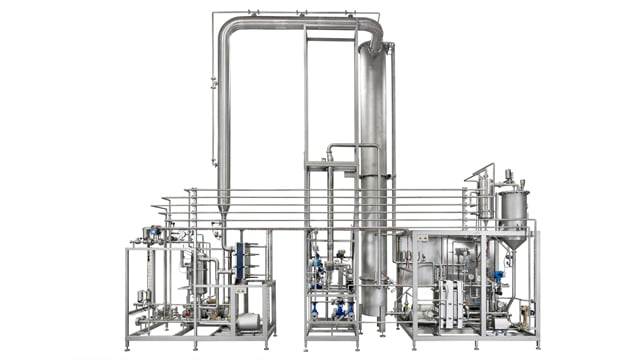
Using equipment such as the Alfa Laval Revos system, which uses high-pressure, low-temperature reverse osmosis, brewers can recover 70% of water at food grade, and retain it for reuse in their locality, while cutting CO2 emissions by 80% through fewer journeys.
The concentrate has up to 22% alcohol by volume (ABV), and when rehydrated, it retains the same taste, aroma, minerals, and alcohol content as the original product, so consumers need not fear that their enjoyment of the beer will be impacted.
In the spirit of profitability and sustainability, the future promises to see more brewers exploring every opportunity to extract the maximum value out of each ingredient and by-product. In brewery streams, there are spent materials rich in proteins that can be extracted for other uses, such as health products, and these can be expertly harvested with Alfa Laval’s separators and decanters for selling on.
Meanwhile, Alfa Laval also works with a number of partners focused on energy reduction, green hydrogen, long-term energy storage, and related areas, offering significant opportunities in brewing, where much of the power is self-generated.
So, as beer-making heads deeper into the 21st Century, it is clear that simply making a top-quality, refreshing brew is not enough. Brewers need to continually innovate to ensure they are responsible environmental stewards, stay tapped into the latest taste trends, and are able to swiftly diversify to make the most of new market opportunities.
Alfa Laval is the perfect partner to support beer makers of all shapes and sizes in meeting the demands of the future – helping to implement innovative circular systems to brew great beer with maximum up-time, energy recovery, water savings, and by-product reutilization, opening the door to scaled-up, diversified production.