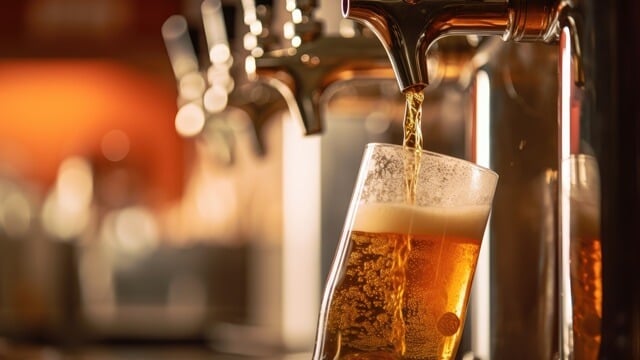
How Beer Is Produced: A step-by-step guide to the modern beer production process
While the fundamentals of how beer is produced have remained constant over the millennia – mixing water and grain to convert starch into sugars and then fermenting the resulting sugar solution with yeast – the infrastructure required to produce the modern beverage would not be recognized by those first brewers of around 3500 BCE.
In the 21st Century, the process of beer production for every successful and sustainable commercial brewer – from the largest global operators to the smallest craft artisans – requires precise and efficient specialist equipment at all the brewing steps.
And there are even new potential steps for certain modern brews that the original beer-makers would never have considered – such as removing the alcohol from the final product!
The Brewhouse
The brewing process starts in the brewhouse, a big energy and water user, and it is here that the brewer can start as they mean to go on. Using the latest technology to ensure efficient processing and quality from the get-go, while saving on water and energy.
Step One: This is where the mashing-in takes place – in a mash tun – as the malted grains are mixed with hot water to make mash, essentially a mix of crushed malt and water, where the starch from the malt is converted to fermentable sugars.
Step Two: The mash is then separated from the solids through a process known as lautering – in a lauter tun – to produce a sweet wort.
Step Three: This sweet wort is then sent to the wort boiler to be boiled. It is at this point that hops are added to add bitterness and flavours.
Step Four: The wort is cooled to fermentation temperature, aerated, and sent to the cold side of the brewery.
The Cold Block
Step Five: The wort is sent to the fermenter, where yeast is also added. At this point, skilled yeast management is vital to ensure quality and consistency in the brews.
The modern brewer has the very latest tools to achieve a fast and predictable fermentation of his beer, such as Alfa Laval’s Iso-Mix rotary jet system, which keeps the yeast evenly mixed with wort. This ensures a faster and more effective fermentation and maturation processes, while optimizing temperature control.
Step Six: Alfa Laval also has the leading specialist equipment for the next stage in the cold block, where centrifugal separators from its Brew range remove the yeast and solids, such as hops, as part of the clarification and separation for all sizes of operation.
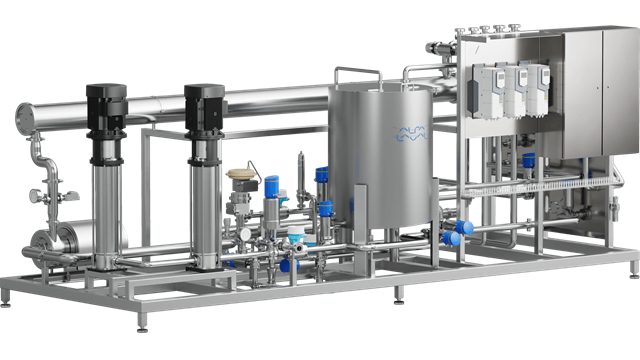
Step Seven: The smells and the appearance of the liquid are now saying: ‘beer’! The last step seals the deal with treatment filtration and blending. For this, the highest de-aerated water (DAW) quality is required, with the lowest oxygen content to ensure a premium beer. Alfa Laval’s Aldox modules lead the way in this regard – and inline carbonation and blending can then take place with advanced technologies like Carboblend Carboset or ProCarb, which can also add a burst of nitrogen for a fashionable nitro stout!
Modern-day extras
The beer is now ready to be bottled and packaged up for the consumer, but there are other processes potentially involved in beer production that cater specifically for this modern age of brewing.
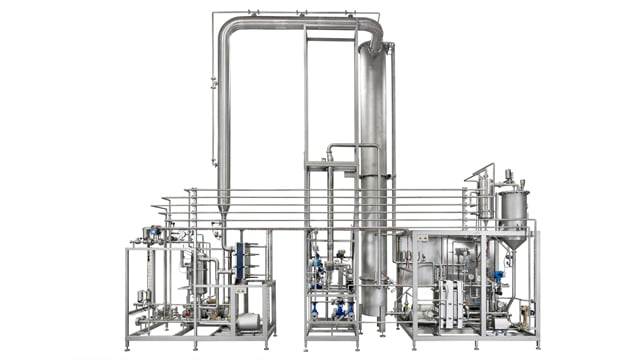
The growing trend in healthier socializing means most brewers are now looking to add low or no alcohol alternatives to their product portfolio. This can be achieved with Dealcoholization modules such as Alfa Laval’s Low-Alc, Dealc, or the ISomix system if they are attempting to brew a beer with new yeasts that produce no alcohol.
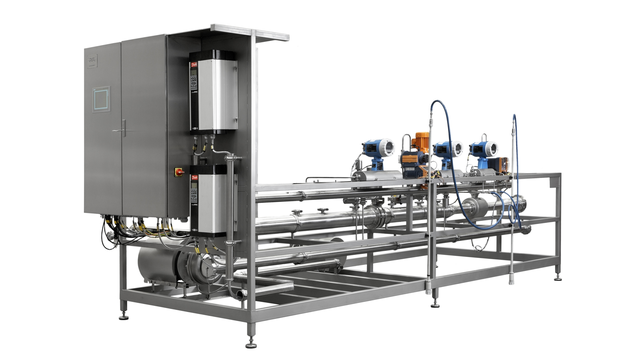
Alfa Laval also offers flash pasteurizers and sterile filters to stabilize the beer before bottling, and has developed Alfadose, a modular system designed to make different products such as shandies, Radlers, and soft drinks, or simply fine-tune the regular brews.
Meanwhile, for those brewers operating in water-stressed areas, concentrating the final product with reverse osmosis systems like Revos, for rehydration elsewhere, allows them to reuse recovered water in the process and also save on money and CO2 emissions through fewer transportation journeys, while retaining the high quality of their beer.
Driving brewing forwards
Alfa Laval has the drive to save on water and energy in its DNA and is always available to talk with brewers to explore how its advanced technology can support sustainability and cost-saving across their operations while minimizing downtime and ensuring a consistent, premium product.
Plate heat exchangers power energy-recovery systems; decanters that can dewater spent grains for water circularity; industry-leading rotary jet heads that improve efficiency and hygiene in the cleaning process; all of these are part of Alfa Laval’s world-class portfolio.