Systèmes de désodorisation
Les systèmes de désodorisation désacidifient les huiles et éliminent de manière sûre et fiable les odeurs, saveurs, couleurs et autres substances volatiles indésirables à des températures plus basses et avec moins de vapeur. Pour l'huile de palme, de soja, de colza ou d'autres huiles alimentaires, ce processus essentiel réduit considérablement les volatils indésirables et la formation d'isomères de EG et d'AGT. Ce traitement plus efficace optimise la qualité, la sécurité et le rendement.
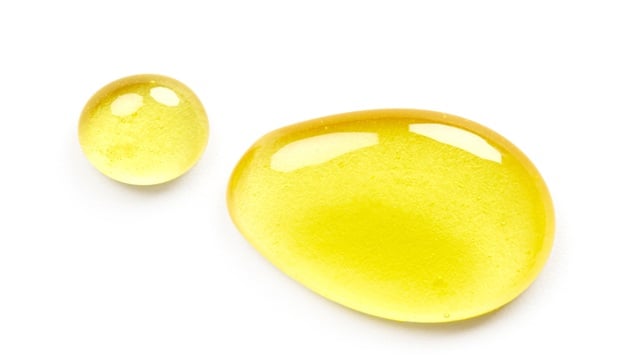
Eliminez les odeurs et les substances volatiles qui dégradent la qualité de l'huile et optimisez votre rendement en huile alimentaire
- Systèmes de désodorisation fiables, polyvalents et faciles à utiliser pour le raffinage des huiles alimentaires
- Vaste expérience dans l'optimisation des systèmes de désodorisation pour répondre aux exigences des processus
- Qualité et rendement optimaux du produit
- Perte de produit et consommation d'énergie réduites au minimum
- Meilleure élimination des esters glycidyliques à des niveaux inférieurs à 0,5 ppm
Obtenez le système de désodorisation le plus efficace pour optimiser votre rendement en huile alimentaire. Les systèmes de désodorisation modulaires et faciles à personnaliser d'Alfa Laval optimisent les sections de stripping et de rétention en fonction de vos exigences de traitement exactes, que ce soit pour la désodorisation d'huiles extraites de graines, la désacidification d'huile tropicale ou l'obtention d'huiles à faible concentration en esters glycidyliques et oligo-éléments toxiques.
La désodorisation se fait à la température la plus basse possible et permet d'éliminer efficacement les esters glycidyliques, hydrocarbures polyaromatiques, pesticides et autres substances volatiles indésirables. De plus, le contrôle se fait sans effort grâce à un système d'instrumentation et de commande intelligent.
Que ce soit pour construire une nouvelle installation ou bien pour agrandir ou moderniser des installations existantes, faites confiance aux systèmes de désodorisation Alfa Laval dotés de la technologie de couche mince brevetée pour augmenter l'efficacité de vos systèmes de désodorisation et de désacidification.
Fonctionnement
How the deodorization process works in edible oil refining
The deodorization process in oil refining is a steam stripping process at low pressure and high temperature under vacuum conditions. Steam gently passes through the oil, removing impurities that compromise flavour, odour, colour, and stability. This process enhances taste, extends shelf life, and ensures compliance with food standards.
Oxygen removal and pre-heating in deodorization systems
Before heating the oil, air must be removed under vacuum to prevent oxidation and protect product quality. The oil is then pre-heated in an economizer – a heat exchanger that recovers energy from the hot, treated oil discharged the deodorization column. A final heater uses high-pressure steam to bring the oil to the exact temperature, typically 220°-260°C, required for deodorization.
Thermal stripping and retention during deodorization of oil
The heated oil enters the deodorization column, which typically consists of a stripping section and a retention section. In the stripping section, steam and vacuum conditions remove volatile compounds like free fatty acids (FFAs) that have a higher vapour pressure than the oil itself. If present, these impurities affect edible oil flavour, odour, and stability.
The retention section holds the oil for a specified period for thermal treatment – known as heat bleaching – to remove undesirable pigments and enhance product stability. The length of time the oil is kept in the retention section depends upon the desired product specifications.
GE removal and post-stripping in deodorization machines
The oil passes through a post-stripping section under vacuum as a thin film, exposed to steam to remove residual volatiles, including compounds generated during thermal degradation. The treated oil is then cooled.
Keeping temperatures below 200°C limits the formation of glycidyl esters (GEs) and enables any GEs to be removed from cooled quench oil. A specially designed column filled with structured packing, or GE stripper, effectively removes GEs to levels below 0.5 ppm in size by promoting contact between steam and oil under vacuum conditions. However, to be effective, this method calls for immediate cooling after GE stripping.
Condensation of stripped impurities in the deodorization process
Stripped volatiles are condensed in a scrubber unit using recirculated and cooled distillate. The scrubber can be mounted either on top of the stripping section or built as a separate vessel. Volatiles can be condensed in stages (double scrubbing) or the condensates subjected to further purification (TocoBoost) to recover valuable micronutrients such as tocopherols and sterols.
Final cooling and polishing in the deodorization system
Finally, cooling the oil occurs in two stages: (1) in the economizer to reach the specified final temperature, and (2) during polish filtration before transfer to subsequent processes, storage or packaging.
Applications and product range
Alfa Laval deodorization systems are mainly used in the edible oil and animal fat industries, but can also be adapted for inedible purposes, such as biodiesel and hydrotreated vegetable oil (HVO) pre-treatment. For more information on special product lines from the range of Alfa Laval deodorization/deacidification solutions, see:
Service
Global services
More than 130 years of experience. Experts the world over. Service centres in nearly 100 countries. For true peace of mind, take advantage of the Alfa Laval global service network with its solid local presence to maximize quality, efficiency and yield of your processes. Alfa Laval can provide the depth, breadth and range of components, equipment, systems and service unmatched by many other equipment suppliers. We’re always nearby, caring for your systems and optimizing your processes over the entire life cycle of your edible oil refining plant.
Our customers
The Bunge Group
The Bunge Group is a global agribusiness and food operation. The group’s Food Products division is Latin America’s largest oil seed processor and largest seller of bottled oils to the retail market. In addition, Bunge has invested in the largest vegetable oil refinery in Latin America to extend this position. Located in Brazil, this major plant has a capacity of 1200 tonnes per day.
Alfa Laval is responsible for the complete refinery, featuring a neutralization section with two PX 110 separators, a bleaching process installation and a complete SoftColumn deodorization solution.
PT Grahadura Leidongprima
PT Grahadura Leidongprima is a family-owned business on the island of Sumatra in Indonesia. The company is very successful in the palm oil processing industry. To cement this position, the company ordered the first SoftColumn deodorization plant in Indonesia, accompanied by dry fractionation plants.
This Alfa Laval SoftColumn deodorization installation provides the company with a processing capacity of 1,000 tonnes of palm oil daily.
The Imcopa soybean oil refinery
The Imcopa soybean oil refinery in Brazil decided on an upgrade path to tackle very high steam costs, plus problems with poor heat recovery in the company’s existing plant.
Benefiting from the Alfa Laval retrofit concept, Imcopa upgraded an existing deodorizer and installed a new neutralization and bleaching line, plate heat exchangers, mixers and a PX 95 separator. This enabled the company to boost refinery capacity from 400 to 600 tonnes daily. This retrofit strategy, combined with Alfa Laval heat transfer technologies, enabled Imcopa to reduce overall production costs by more than USD 3 per tonne of oil – the investment paid for itself in less than 2 years.
Key edible oil processing equipment used in our systems
Webinars for the Edible Oil industry
Our experts share know-how to optimize edible oil refining processes, remove impurities and volatile components for better product quality, safety and yield.